







Technical Due Diligence
for PV and BESS
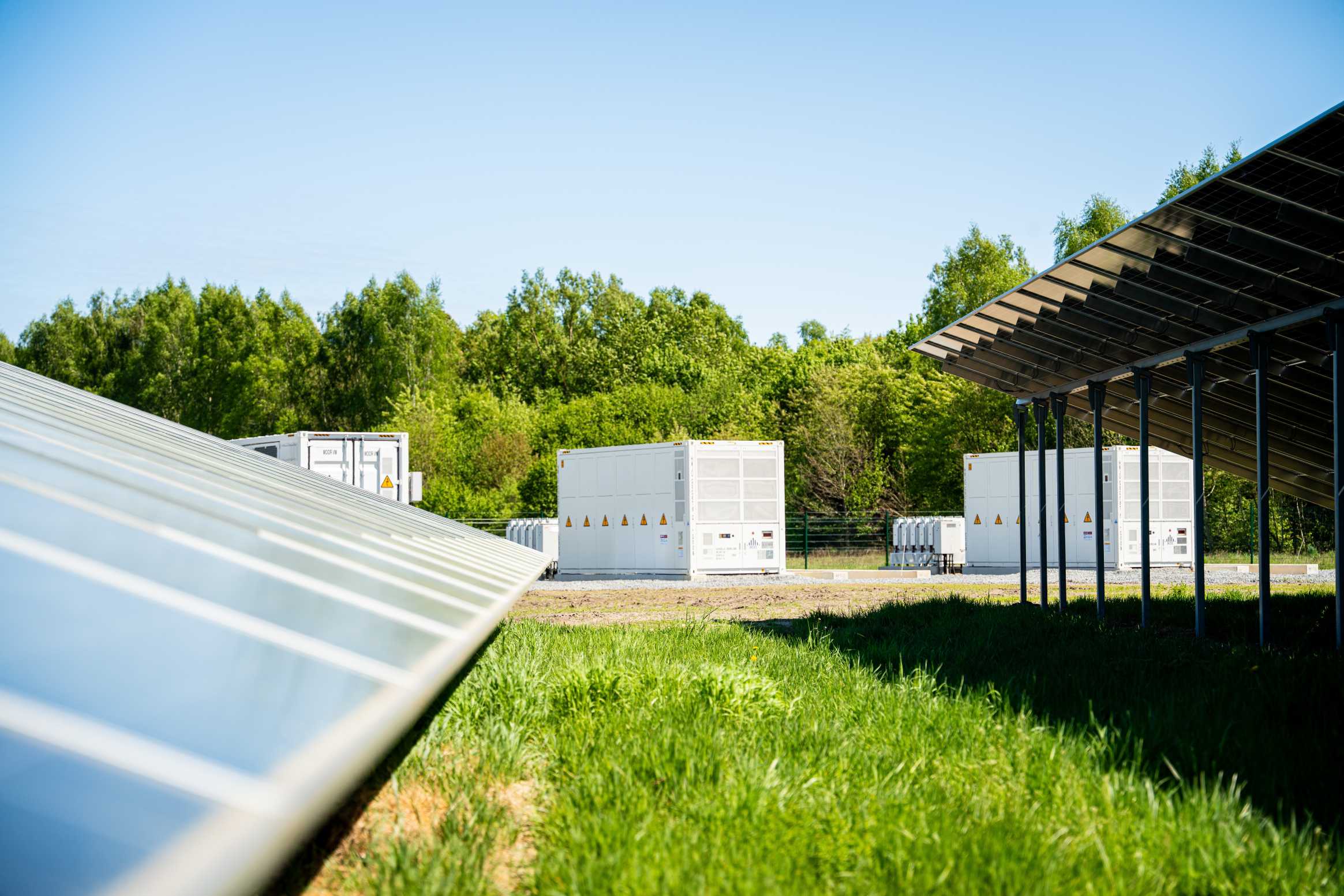
Before purchase, sale, or commissioning, our Technical Due Diligence provides you with complete clarity on the technical condition and performance potential of your photovoltaic system or BESS.
Technical assessment for maximum transparency and security
Clarity for your investment. Security for your project.
Our Technical Due Diligence provides the technical transparency you need to make well-informed decisions regarding purchase, sale, or commissioning. We verify whether the design, execution, and actual system condition align – independently, in depth, and always with a focus on future performance.
Our experts analyse all relevant documents, assess structural design, electrical design, and installation quality, and identify weaknesses before they become risks. This creates a reliable basis for realistically assessing yields, safeguarding investments, and making effective use of potential.
We tailor our services – from Technical Due Diligence to additional inspections and special services – individually to your needs.

We inspect your PV systems and battery storage systems
Technical Due Diligence (TDD) for PV systems
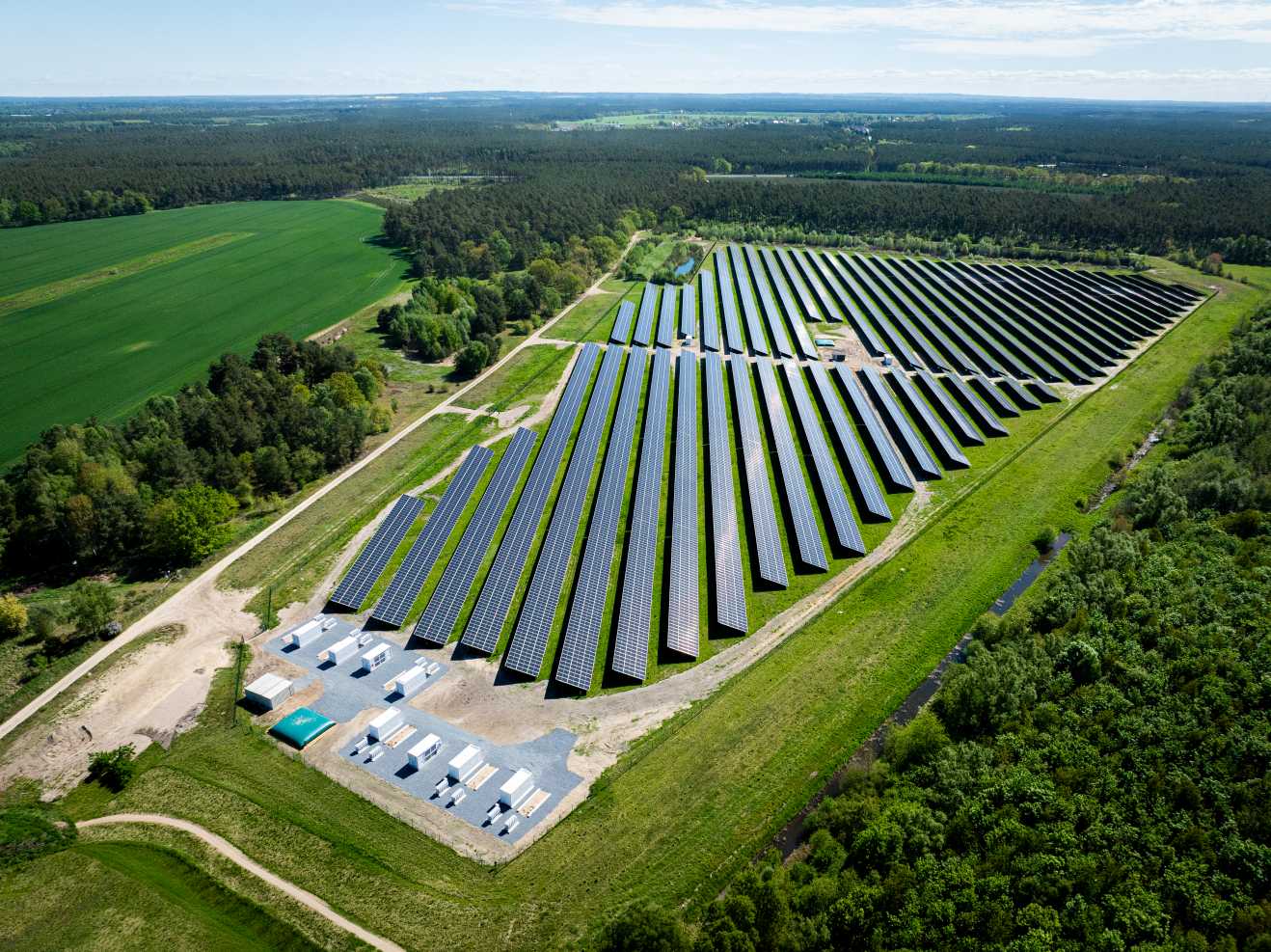
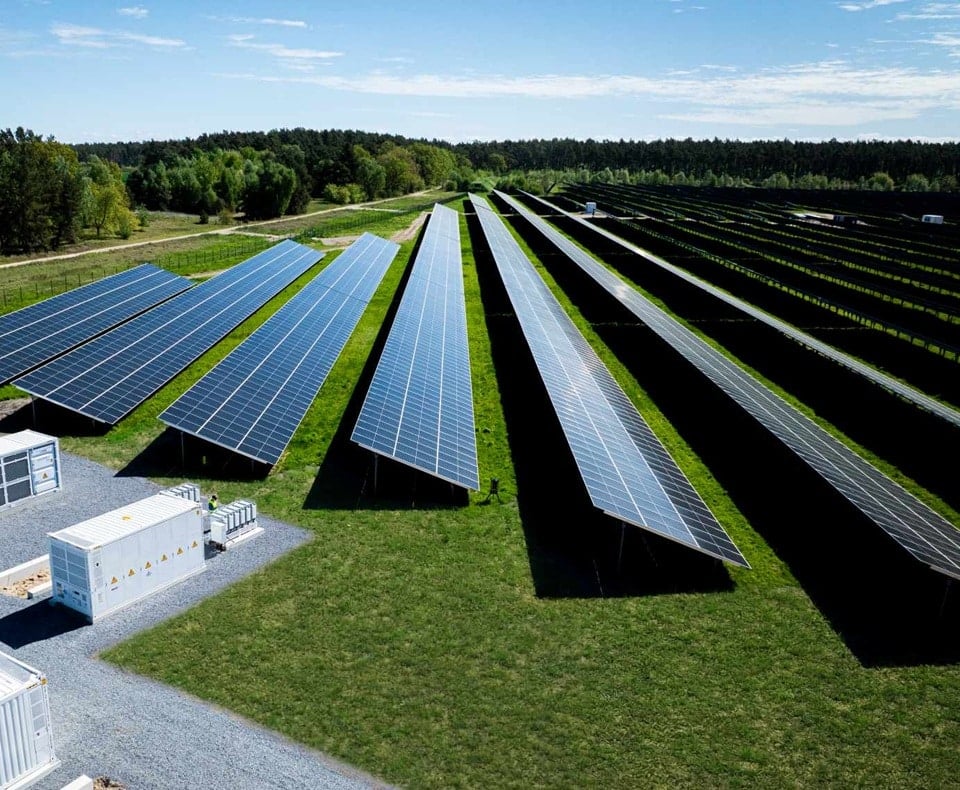
For photovoltaic systems, we assess both planned projects and operational assets.
We review all relevant documents and documentation, detailed design, and technical components. Based on this assessment, we identify design or implementation weaknesses, optimisation potential, and risks to future energy yield.
Partial services are also possible, e.g., a thermography inspection, review of DC and/or AC detailed design as a design review, or assessment of individual system components to obtain targeted information on specific questions or risks.
Technical Due Diligence (TDD) for BESS
For battery storage systems, we assess the technical feasibility of the design as well as the execution of existing systems.
All relevant documents, the battery system layout, electrical design, inverter design, and connection to grid and monitoring systems are analysed. This enables us to identify risks, optimisation potential, and possible impacts on system performance and safety.
When is a Technical Due Diligence (TDD) useful?
When buying or selling an asset
Technical Due Diligence is useful when buying or selling because it objectively determines the actual value of the asset and makes potential risks or optimisation opportunities transparent, providing buyers and sellers with a robust basis for price negotiations.
To review EPC contractors or technical service providers
Technical Due Diligence helps assess the quality of the responsible partners involved and ensures that all technical requirements, standards, and contractual specifications are reliably met.
When warranties are expiring or damage has occurred
Before warranties expire or in the event of damage, a Technical Due Diligence for photovoltaics/BESS enables a technically sound assessment of the system condition, so that claims against manufacturers or service providers can be asserted clearly and transparently.
For greater transparency in project financing
For financing, Technical Due Diligence provides the technical and commercial evidence banks and investors need to reliably assess the design, performance, and risk profile of a photovoltaic or BESS project.
As an analysis prior to revamping or repowering
Before planned modernisations, a Technical Due Diligence for photovoltaics helps uncover technical weaknesses and efficiency potential and assesses which improvements can be achieved through new components or design adjustments. Drone-based thermography inspections are often used as well.
As a regular quality and performance inspection
During operation, Technical Due Diligence supports continuous monitoring of a system’s technical quality and performance and ensures long-term availability and operational safety.
What sets our Technical Due Diligence apart?
Holistic assessment, independent evaluation, commercially prioritised

Holistic view of design, construction, and operations
greentech combines expertise from design, construction, operations management, and performance analysis. This 360° understanding results in assessments that are accurate both technically and commercially.

Over 1 GW of inspected systems – hands-on experience
With more than 1 GW of inspected PV projects, we immediately recognise typical fault patterns, technical risks, and optimisation potential. This saves time and reduces investment risks.

Detailed analyses with modern measurement technology
In addition to visual inspections, we use drone thermography, string measurements and performance analyses. This reveals hidden defects and yield losses that remain undetected in document-only reviews.

Clear recommendations, commercially prioritised
The results are presented clearly and include specific action steps—along with a technical assessment and commercial relevance. This enables measures to be implemented directly and in a targeted manner.

Certified professionals with independent assessment
Our TÜV- and VdS-certified experts inspect systems objectively, in compliance with standards, and from the perspective of external investors or banks. This creates robust, trustworthy decision-making foundations.

Flexibility – from full scope to individual inspections
Whether a complete Technical Due Diligence or individual modules such as thermography, electrical design reviews, or documentation review: we tailor the scope precisely to the project phase, requirements, and budget.
Our services in detail
Core components of our Technical Due Diligence

Technical document review
A technical review is carried out to verify compliance with regulatory requirements and to check the relevant documents, including the development plan and the status of the grid connection.

Review of layout design & expected yield
We review the existing layout design and the yield assumptions from a yield simulation / yield report for plausibility. For this purpose, the system – including the selected structural components – is transferred into our software, assessed, and compared with the existing yield report.

Review of AC electrical design
We review the electrical design, including the selected grid connection components such as transformers, route cables, and metering, protection, and control technology. We also closely examine the plant IT concept and the secure connection of the system to the relevant monitoring, marketing, and control units. In addition, we determine whether all technical standards and requirements relevant to the project have been considered in the detailed design.

On-site inspection of construction and installation quality
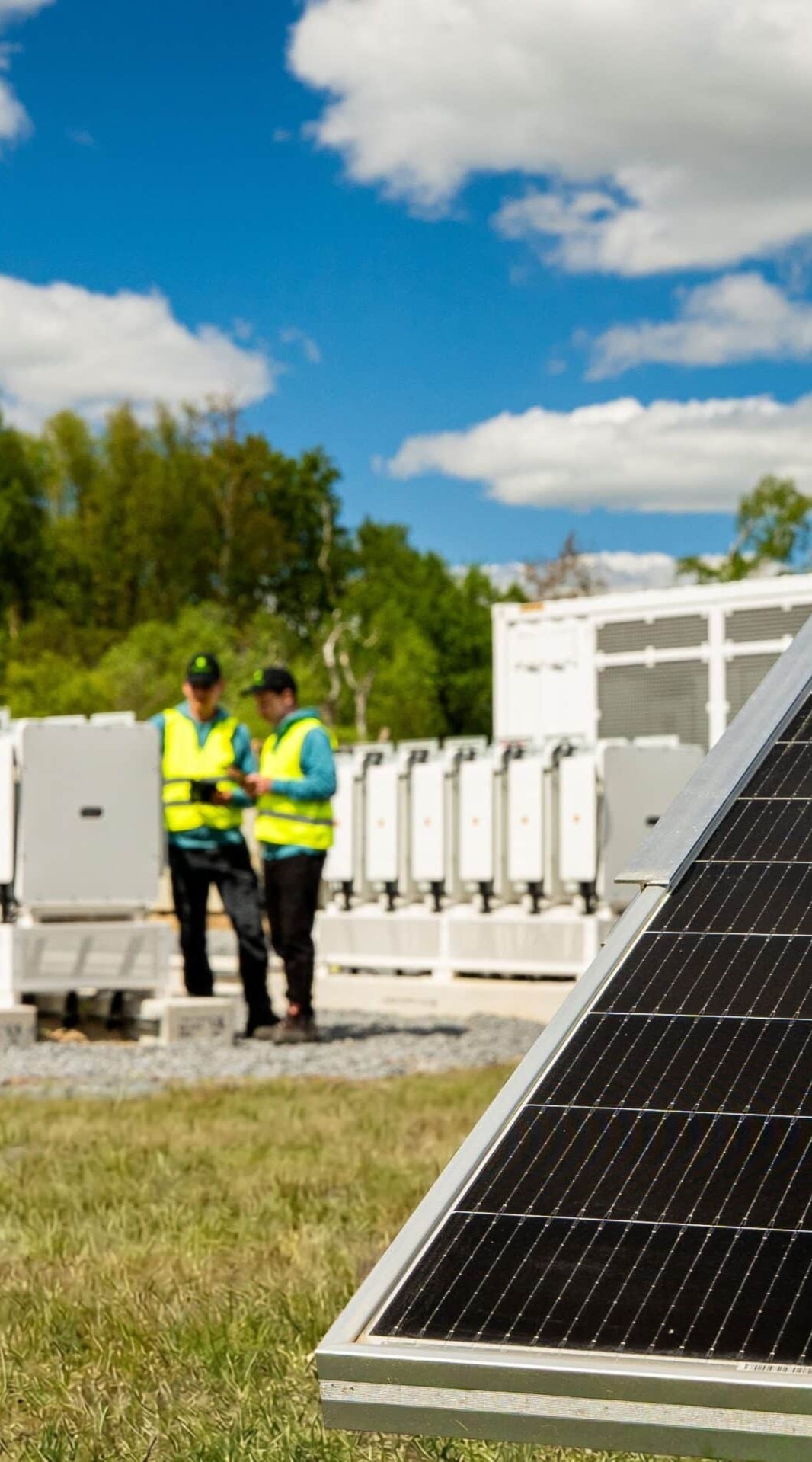
For existing systems, we inspect the project on site, including layout, installed components, and DC and AC execution. We compare the implementation with the “as-built” documentation. In addition, we carry out visual inspections for structural defects, signs of degradation, or weather-related damage. If required, a thermography inspection can also be used. The monitoring and control system (SCADA), including control technology, is also analysed and assessed.
As needed: extended analyses & reports within the TDD

Design review of execution planning
As part of a Technical Due Diligence, we can carry out independent design reviews of existing or third-party system designs upon request. In our role as Owner’s Engineer, we systematically review the execution planning for technical quality, compliance with standards, and operational practicality. To do so, we analyse DC- and AC-side electrical planning, the selection and sizing of main components, as well as protection, control, and metering concepts, and benchmark them against applicable standards, manufacturer specifications, and best-practice standards. We also incorporate our operations experience to assess maintenance- and OPEX-relevant aspects—such as the placement of inverters and stations. This makes planning risks, optimisation potential, and possible impacts on yield, operations, and profitability transparent at an early stage.

Thermography inspection
Within Technical Due Diligence, we use thermography inspections as a targeted supplementary analysis tool for the objective assessment of the technical condition of the system. For new systems, it is typically carried out during commissioning or shortly beforehand to identify installation errors, hotspots, or faulty connections early and to rule out hidden defects before operations begin.
For existing systems, thermography serves as a robust status quo analysis. It reveals thermal anomalies, signs of degradation, or gradual defects that may result from operation, ageing, or earlier execution errors. The results feed into the overall assessment of the system and support well-founded decisions, for example before warranty expiry, during transactions, or with regard to revamping or repowering measures.

End-of-warranty inspection
End-of-warranty TDD is carried out shortly before warranty or guarantee periods expire and serves to objectively assess the technical condition of the system. The aim is to identify potential defects in time and safeguard justified claims against EPCs, manufacturers, or suppliers.
Existing documentation (“as-built”) is reviewed against the realised system condition, including mechanical and electrical design on the DC and AC sides, as well as key assumptions such as layout design and component selection. An on-site inspection records installation deviations, visible damage, and initial signs of degradation. Optionally, a thermography inspection supplements the review with thermal anomalies. In addition, operational and monitoring data are included in the assessment to identify performance deviations or recurring faults. The results are summarised in a structured final report and provide a robust basis for warranty claims or decisions on continued operation.
Why work with greentech?

Years of experience

Employees active in 6 European countries

Projects in the development pipeline

Ground-mounted PV systems built

in technical consulting

in operational management
Your specialists for
Technical Due Diligence

Viola Hoffmann
Commercial Head of Engineering

Johannes Liebich
Head of Engineering & Technical Advisory

Joern Carstensen
Chief Technical Officer (CTO)
In his role, Jörn Carstensen combines the management of all technical areas of the greentech group. As CTO, he is responsible for plant construction, engineering services and technical management. The aim is to create uniform standards and processes across all technical areas at greentech, thereby ensuring company-wide synergies, high quality and the greatest possible transparency.
Jörn Carstensen joined greentech in 2014 as Business Development Manager. In addition to developing various European markets, he built up the Engineering and Technical Advisory division. From 2006 to 2014, he worked for the Conergy Group in various international corporate and business development positions. Prior to that, he worked for a consulting unit of Accenture and supported utility companies in strategic and organisational issues. Jörn Carstensen holds a degree in Industrial Engineering with a specialisation in Energy and Environmental Management from the Universities of Flensburg and Southampton.
Contact
Only 45 seconds for your request
FAQ Technical Due Diligence (TDD)
Frequently asked questions about scope, approach, and results for PV systems and battery storage.
What is a Technical Due Diligence (TDD) for photovoltaics/BESS?
A TDD is a comprehensive technical assessment of PV or BESS systems that analyses design, implementation, and operation. The aim is to objectively evaluate risks, optimisation potential, and expected performance so that investors, operators, or buyers can make well-informed decisions. With greentech, you also benefit from the combination of hands-on experience from more than 1 GW of inspected systems and state-of-the-art analysis tools.
When is a Technical Due Diligence useful?
A TDD is recommended when buying or selling assets, prior to revamping or repowering measures, when warranties are expiring, for project financing, or to assess the quality of EPC contractors and technical service providers. It provides robust information on the system’s condition, performance, and potential risks—greentech delivers practical results and presents them clearly.
What is assessed in a Technical Due Diligence for photovoltaics/BESS?
Our inspections cover documentation, layout design, detailed electrical design, structural components, DC and AC cabling, inverters, transformers, and SCADA systems. If required, thermography inspections, string measurements, or performance analyses are also used. This identifies hidden defects that remain undetected in document-only reviews.
What are the benefits of a Technical Due Diligence from greentech?
A TDD provides independent, objective assessments, uncovers technical weaknesses and yield risks, and offers specific recommendations for action. greentech combines technical expertise from design, construction, and operations, enabling you to make decisions that are sound both technically and commercially.
Who carries out the Technical Due Diligence?
Our Technical Due Diligence for both photovoltaics and BESS is carried out by TÜV- and VdS-certified experts with extensive experience in the design, construction, and operation of PV and BESS systems. The combination of many years of practical experience, technical inspection methods, and modern analysis tools ensures robust results.
Can a TDD be customised?
Yes, greentech tailors the scope precisely to your project phase, budget, and requirements. Whether a comprehensive TDD or individual modules such as thermography, electrical design checks, or documentation review—we deliver exactly what you need.
How are the results presented?
All findings are documented transparently and include a technical assessment, commercial relevance, and specific recommendations for action. You receive a comprehensive final report that serves as a basis for decisions on investments, optimisations, or sale – clearly prepared for all project stakeholders.
Can a Technical Due Diligence also be carried out for existing systems?
Yes, existing PV and BESS systems can also be assessed. On-site inspections, visual inspections, thermographic analyses, and performance evaluations enable an assessment of the current condition, degradation, and potential performance risks – including practical guidance for optimisation.
Still have questions?
Can’t find the answer you’re looking for? Please get in touch with our team of experts
Engineering & Technical Advisory
Here you can download an overview of our Engineering & Technical Advisory services:
