







Co-Location Potential Analysis
Co-Location: Is a battery storage system worthwhile for your PV project?
Pure PV projects are increasingly under economic pressure. Hybridization with a battery storage system can be a decisive lever here.
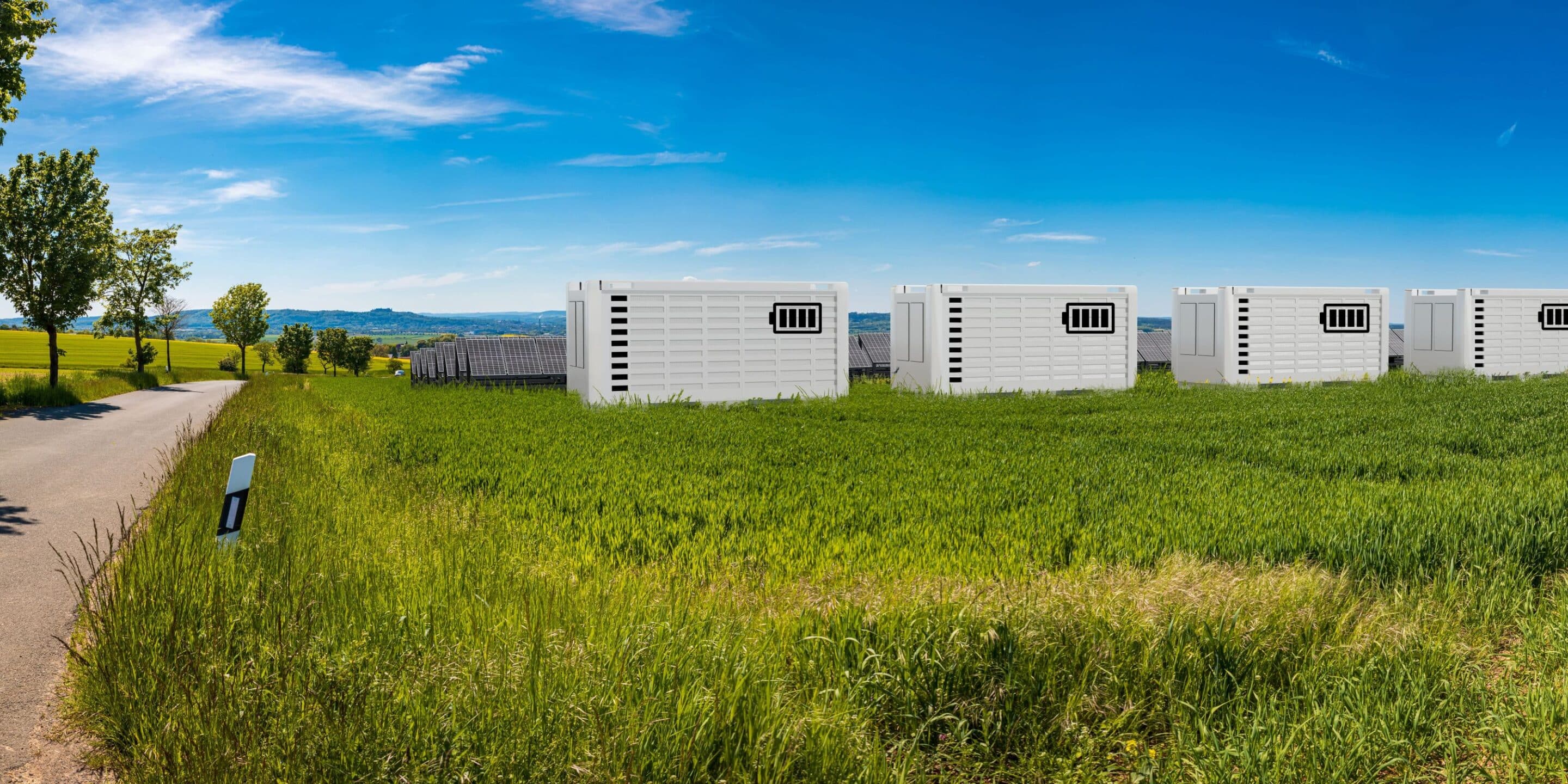
With battery storage systems, PV power generation can now be better adapted to market and grid realities. Surpluses can be temporarily stored instead of curtailed, and an existing grid connection is utilized more efficiently. Especially against the backdrop of scarce connection capacities and increasing grid bottlenecks, flexibility becomes a decisive project factor – and co-location a pragmatic option for implementing projects more economically and investably.
This is precisely where we come in: In our Co-Location Potential Analysis, we individually and project-specifically examine the grid- and permitting-related as well as technical framework conditions for expanding PV to co-location with BESS. We evaluate several design variants, transparently calculate the economic viability, and derive a clear recommendation for your next steps. We consider the hybrid system as a unit or evaluate the BESS expansion separately.
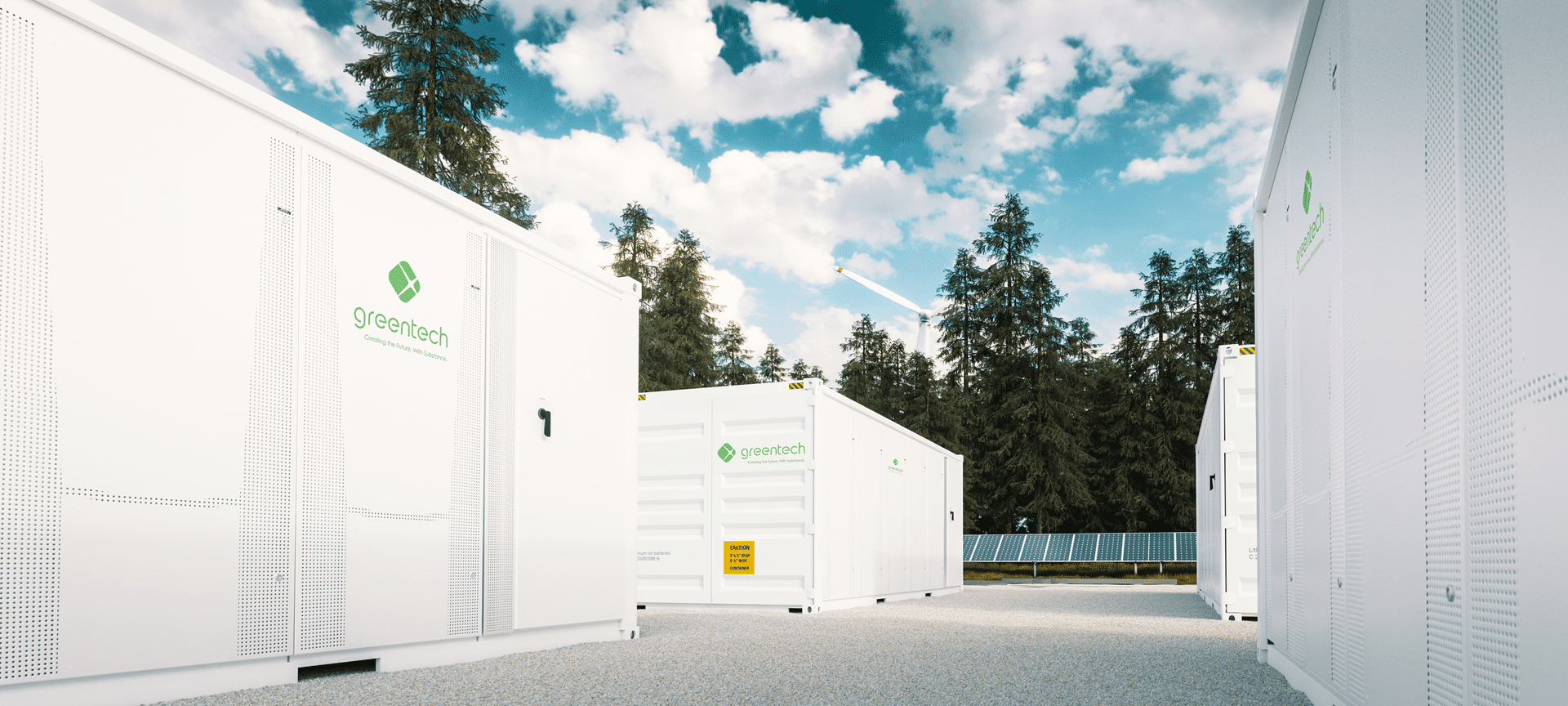
When is a Co-Location Potential Analysis useful?
If PV-only is barely economical
If you want to know what a BESS expansion means for your current PV system – and what might still be missing
If you want to know how a BESS could be technically integrated into your existing PV project
If you want to know which grid-side options co-location realistically permits in your project
If you want to compare the achievable marketing revenues with and without BESS
If you want to determine the optimal sizing of a BESS for your individual project
If you need a reliable decision-making basis for the next steps
Green power case as basis, grey power as upside option

What you will have
in hand after the Potential Analysis

Clear Go/No-Go classification for Co-Location

Transparent overview of relevant framework conditions

Gap list: What is missing for co-location capability?

Variant comparison for design & operation (sizing scenarios)

Economic viability comparison: with BESS vs. without BESS

Robustness check: Which assumptions are crucial?
How the Co-Location Potential Analysis proceeds

Kick-off & Target Vision

Data & Document Check (PV Status) + Review

Grid-side classification: Options, Restrictions, Leeway

Permitting & Contract Check including Gap Analysis

Technical High-Level Concept & Variants (Sizing)

Economic Viability Assessment, Robustness Check & Recommendation
Why greentech is the right partner on your Co-Location journey…
Individual Review instead of Standard Calculator
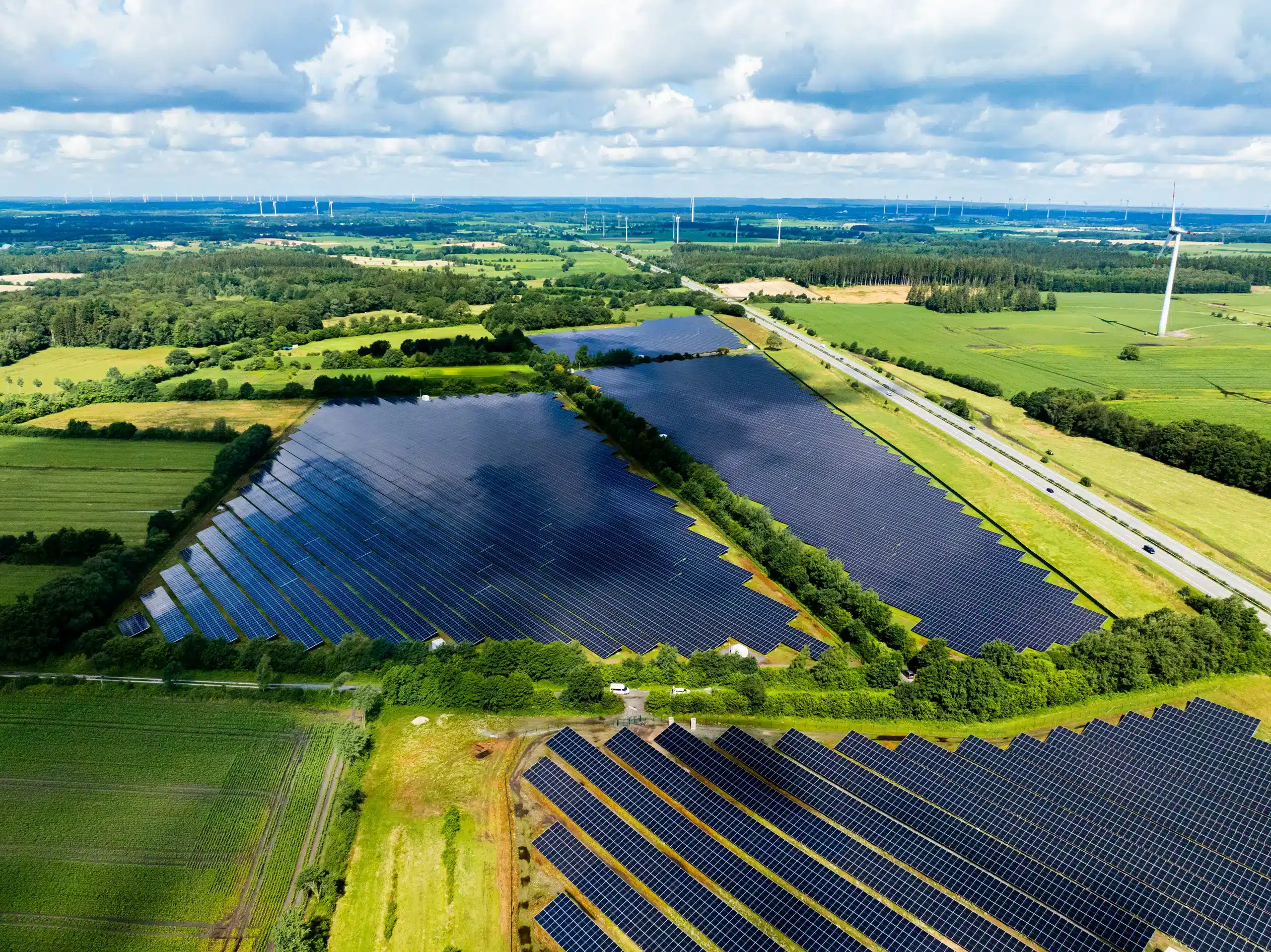
Experience from own Co-Location projects
Technical and economic planning from a single source

Optional: Further development to construction readiness possible
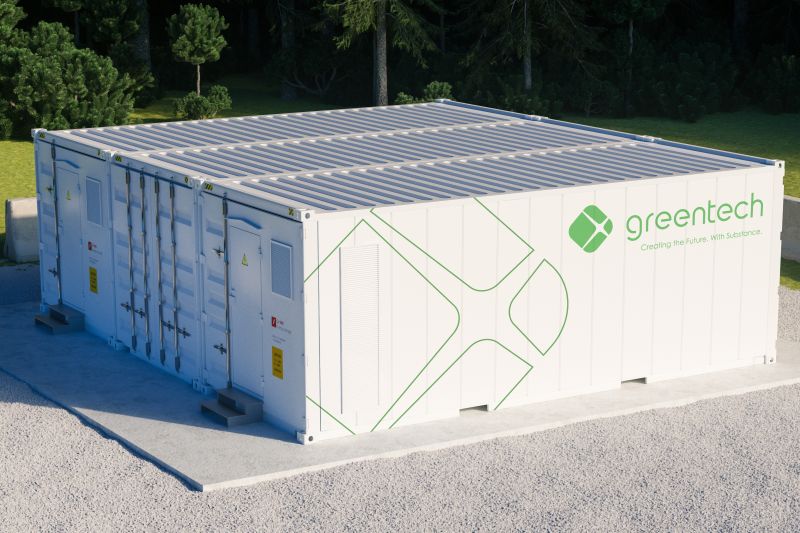
What you receive from the Co-Location Potential Analysis
Results Report


Overview of tested design variants

Economic viability comparison:

Assumptions and Parameters Overview

Grid-side classification:

Permitting & Contract Review (Summary):
Gap List / Next Steps Roadmap:

Robustness Check (Sensitivities):
CO-LOCATION POTENTIAL ANALYSIS
Here you can download our flyer for the Co-Location Potential Analysis

Optional: Project Development
to Construction Readiness
FAQ: Co-Location Potential Analysis
Frequently Asked Questions about Co-Location, Battery Storage (BESS) Expansion, and a Potential Analysis
What is a Co-Location Potential Analysis?
Who is the analysis particularly relevant for?
Which documents and data are required for the Co-Location Potential Analysis?
Is the existing grid connection contract also reviewed regarding a possible BESS expansion?
Is economic viability compared with and without battery storage?
How is the appropriate BESS size (sizing) determined?
What do "robustness check" or "sensitivities" mean?
Is the potential analysis already the project development up to construction readiness?
What typically happens after the analysis?
Must further implementation also be carried out by greentech?
Still have questions?
Can’t find the answer you’re looking for? Please get in touch with our team of experts
Why work with greentech?

Years of experience

Employees active in 6 European countries

Projects in the development pipeline

Ground-mounted PV systems built

in technical consulting

in operational management
Your specialists for Co-Location Potential Analysis at greentech

Julian Linde
Team Lead Project Development

Joern Carstensen
Chief Technical Officer (CTO)
In his role, Jörn Carstensen combines the management of all technical areas of the greentech group. As CTO, he is responsible for plant construction, engineering services and technical management. The aim is to create uniform standards and processes across all technical areas at greentech, thereby ensuring company-wide synergies, high quality and the greatest possible transparency.
Jörn Carstensen joined greentech in 2014 as Business Development Manager. In addition to developing various European markets, he built up the Engineering and Technical Advisory division. From 2006 to 2014, he worked for the Conergy Group in various international corporate and business development positions. Prior to that, he worked for a consulting unit of Accenture and supported utility companies in strategic and organisational issues. Jörn Carstensen holds a degree in Industrial Engineering with a specialisation in Energy and Environmental Management from the Universities of Flensburg and Southampton.
Contact
Only 45 seconds for your request